admin
admin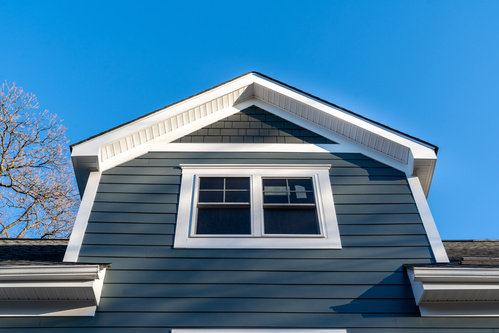
Window replacement is supposed to improve comfort, energy efficiency, and the overall value of a home. When done correctly, new windows eliminate drafts, reduce noise, and help control heating and cooling costs. When done poorly, they can create more problems than the old windows ever did. Unfortunately, a bad window installation is not always obvious right away. Some issues appear within days, while others take months or even years to show. Knowing how to spot the warning signs early can save significant time, money, and frustration.
Gaps, Drafts, and Air Leaks
One of the clearest signs of a bad window installation is unwanted airflow. After window replacement, there should be no noticeable drafts around the frame. If cold air enters in winter or hot air seeps in during summer, something went wrong during installation.
Common causes include improper insulation around the window, skipped sealing steps, or incorrect window sizing. Installers should use high quality insulation and sealants to close all gaps between the window and the wall. When these steps are rushed or ignored, energy efficiency drops immediately.
Drafts also cause uneven room temperatures and force heating and cooling systems to work harder, increasing energy bills.
Visible Gaps Between the Window and the Wall
After window replacement, trim and finishes should sit flush with the wall. Visible gaps, uneven spacing, or exposed insulation indicate poor workmanship. These gaps are not just cosmetic problems. They allow moisture, pests, and air to enter the home.
Outside, check for missing or poorly applied caulking. Inside, look for trim that appears loose or uneven. These details reveal whether the installer took the time to finish the job properly.
Difficulty Opening or Closing the Window
A properly installed window should open, close, and lock smoothly. If the window sticks, rubs against the frame, or requires force to operate, it is likely out of square. This often happens when installers fail to level and plumb the window before securing it.
Over time, these issues can worsen. Misaligned windows place stress on hardware and seals, shortening the lifespan of the window. In extreme cases, windows may not lock properly, creating security concerns.
Water Leaks and Moisture Problems
Water intrusion is one of the most serious consequences of a bad window installation. Signs include water stains on walls, peeling paint, soft drywall, or mold growth near the window area.
During window replacement, installers must integrate flashing and waterproof barriers correctly. If flashing is missing, improperly installed, or cut incorrectly, water can seep into the wall system. Moisture problems often remain hidden until damage becomes severe, leading to costly repairs.
Even minor leaks should be addressed immediately, as long term moisture exposure can cause structural damage.
Excessive Condensation Between Panes
While condensation on the interior surface of glass can be related to humidity levels, condensation trapped between panes usually indicates a failed seal. In many cases, this problem appears after window replacement due to rough handling or improper installation techniques.
A broken seal reduces insulation performance and permanently clouds the glass. This issue cannot be fixed with cleaning and typically requires glass replacement or a warranty claim.
Increased Noise Levels
One of the benefits homeowners expect from window replacement is reduced outdoor noise. If new windows do not noticeably improve sound insulation, installation errors may be to blame.
Gaps around the frame, poor insulation, or incorrect window placement can all allow sound to travel through. Even high quality windows perform poorly when installed incorrectly. Noise issues often point to shortcuts taken during installation.
Poor Exterior Appearance
From the outside, installed windows should look clean and uniform. Crooked frames, uneven reveals, or mismatched trim signal rushed work. Improper exterior finishing can also expose the window to weather damage.
Exterior flaws are not just aesthetic concerns. They often correlate with deeper installation problems, including missing flashing or inadequate sealing.
Damage to Walls, Siding, or Trim
Some disruption during window replacement is normal, but excessive damage is not. Cracked drywall, splintered trim, bent siding, or poorly patched surfaces indicate a lack of care.
Professional installers protect surrounding areas and repair minor damage as part of the job. When damage is ignored or hidden with quick fixes, it reflects low installation standards.
Missing or Incorrect Hardware
Check locks, handles, and screens carefully. Hardware should match the window specifications and function properly. Missing fasteners, loose locks, or poorly fitted screens suggest rushed installation or poor quality control.
Small details matter. Overlooking them often signals larger unseen issues.
No Explanation or Documentation
A quality window replacement project includes clear communication. Homeowners should receive warranty information, care instructions, and explanations of what was done. If installers avoid questions or cannot explain installation choices, that is a red flag.
Reputable companies stand behind their work and are transparent about materials and methods used.
What to Do If You Suspect a Bad Installation
If any of these signs appear after window replacement, act quickly. Document issues with photos and written notes. Contact the installer and request an inspection. Many problems are easier to fix early before additional damage occurs.
If the installer refuses to address concerns, consider a third party inspection from a qualified professional. Catching installation defects early can prevent long term structural and financial consequences.
Final Thoughts
Window replacement is a major investment, and installation quality matters as much as the windows themselves. Even premium products fail when installed incorrectly. Learning how to spot a bad window installation empowers homeowners to protect their investment, maintain energy efficiency, and avoid costly repairs down the road.
A properly installed window should feel solid, operate smoothly, stay dry, and improve comfort from day one. Anything less is a sign that something went wrong.